Clear Coat Runs: A Small Defect with a Big Price Tag
Correcting Clear Coat Runs: The Hidden Cost of Traditional Repair Methods
Clear Coat Runs: A Small Defect with a Big Price Tag
Clear coat runs may look like a minor flaw, but in a professional body shop they represent one of the most expensive paint defects to correct. What starts as a localized issue often turns into extended labor time, re-sanding, re-clearing, and in some cases complete panel repainting.
When clear coat run correction goes wrong, the cost is not just material—it is lost time, lost booth availability, and lost profit.
Why Clear Coat Runs Are So Difficult to Fix
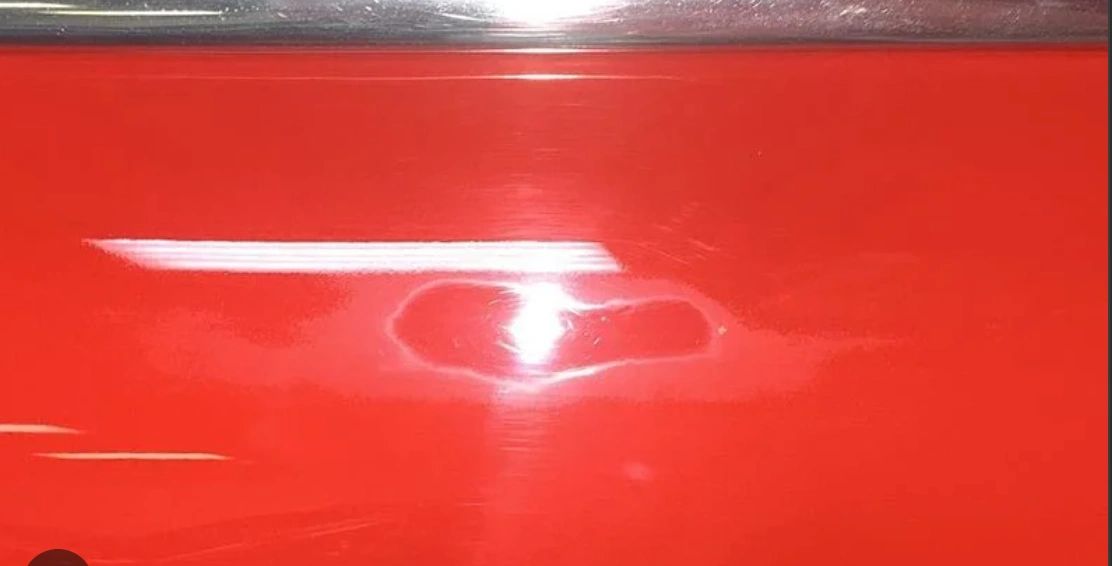
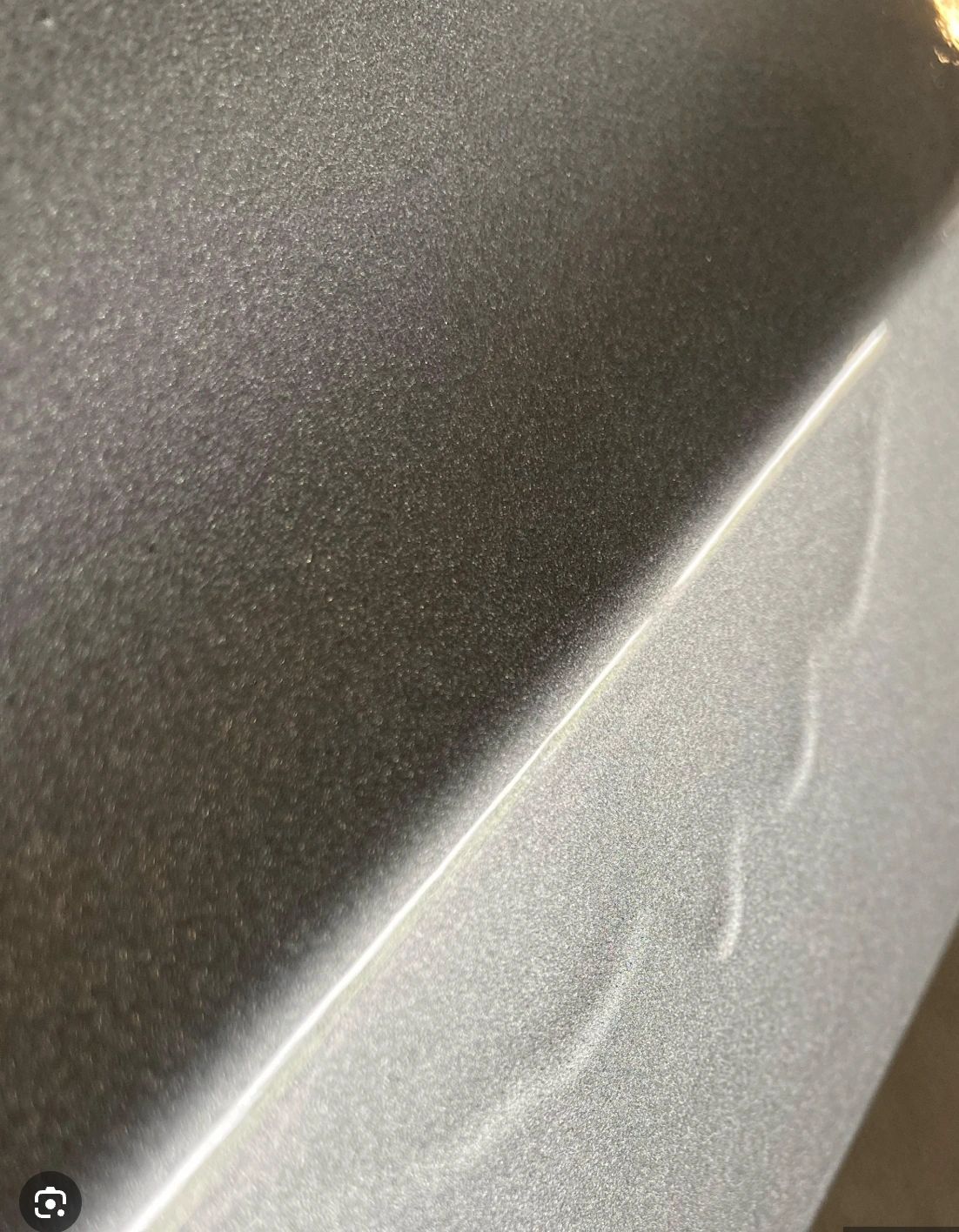
Clear coat is designed to flow and level as it cures. When a run forms, it creates a raised defect surrounded by softer, thinner clear.
Correcting that defect requires extreme precision. Remove too little material and the run remains visible. Remove too much and the technician breaks through the clear coat—creating a much larger repair.
Traditional correction methods make this balance difficult to control.
Traditional Clear Coat Run Correction Methods
Most shops rely on a combination of:
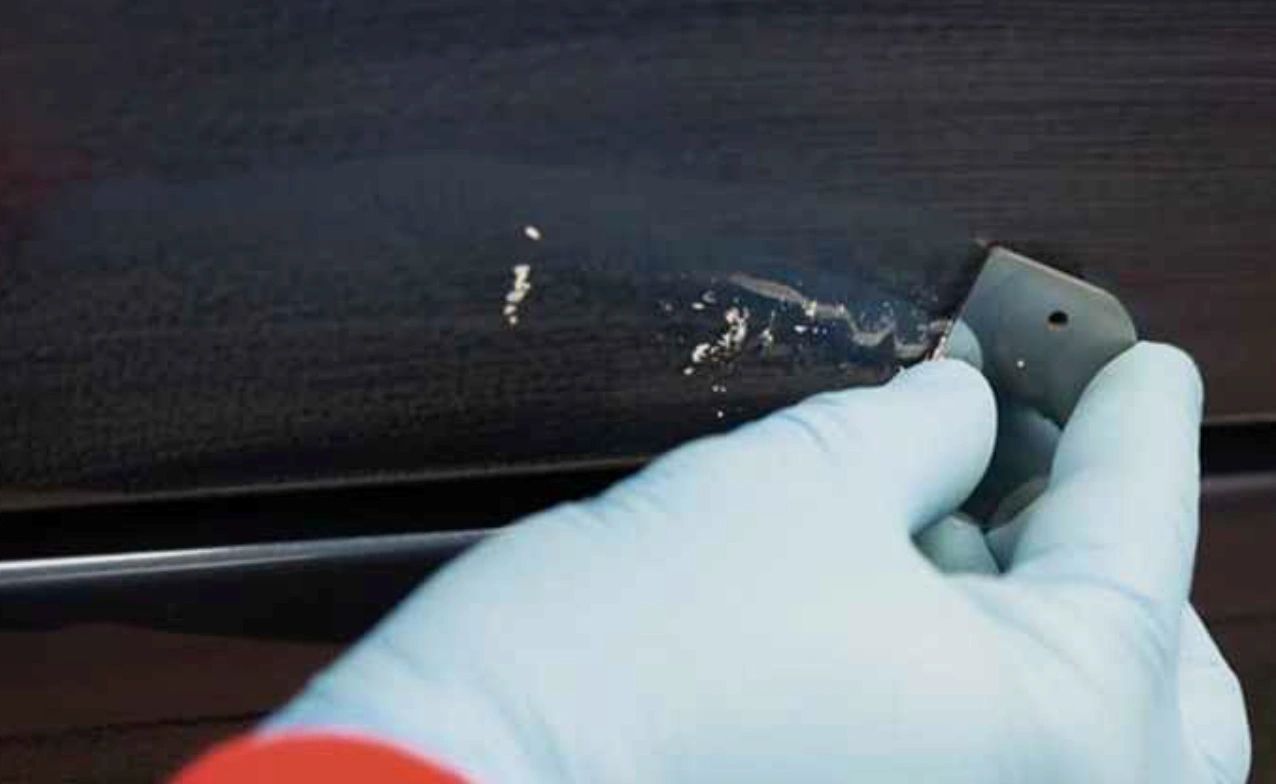
- Razor blades or nib files
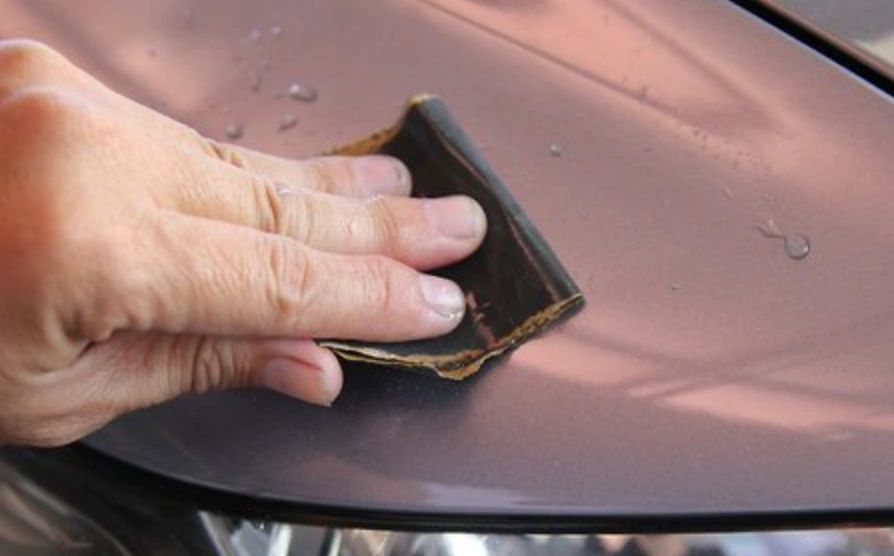
- Hard sanding blocks
- Small spot sanding techniques
- Manual pressure control
While these methods have been used for decades, they depend almost entirely on hand pressure and technician feel. Any inconsistency in pressure or angle dramatically increases risk.
Where Traditional Methods Go Wrong
Traditional sanding and cutting techniques introduce several common problems:
Uneven Pressure
Hand-controlled sanding often applies more pressure to the center of the defect. This creates low spots around the run and thins the surrounding clear coat.
Edge Digging
Rigid blocks and uncontrolled sanding strokes frequently dig into the edges of the run, expanding the repair area unnecessarily.
Over-Correction
Without controlled leveling, technicians may remove too much clear coat trying to fully eliminate the defect—resulting in burn-through.
Inconsistent Results
Even experienced painters can produce inconsistent results when correcting runs using traditional methods, especially under time pressure.
The Real Cost to Body Shops
When clear coat run correction fails, the costs compound quickly.
Labor Cost
- Additional sanding and polishing time
- Re-masking and prep work
- Extra booth cycles
Material Cost
- Additional clear coat
- Blending materials
- Sandpaper and polishing consumables
Workflow Disruption
- Delayed vehicle delivery
- Reduced booth availability
- Interrupted production schedules
Reputation Risk
- Comebacks
- Warranty repairs
- Reduced customer confidence
What should have been a short correction can easily turn into hours of lost productivity.
Clear Coat Runs and Profitability
In high-volume shops, profitability depends on consistency. Clear coat runs disrupt that consistency by introducing unpredictable rework.
Every additional hour spent correcting a defect reduces:
- Effective labor rate
- Throughput
- Overall shop efficiency
Over time, repeated rework from traditional correction methods quietly erodes profit margins.
Why Precision and Control Matter
Successful clear coat run correction is not about working faster—it is about working with control.
The key factors are:
- Even pressure distribution
- Stable sanding contact
- Controlled material removal
Traditional methods make it difficult to achieve all three at the same time.
How ForcedG.R.I.T. Improves Clear Coat Run Correction
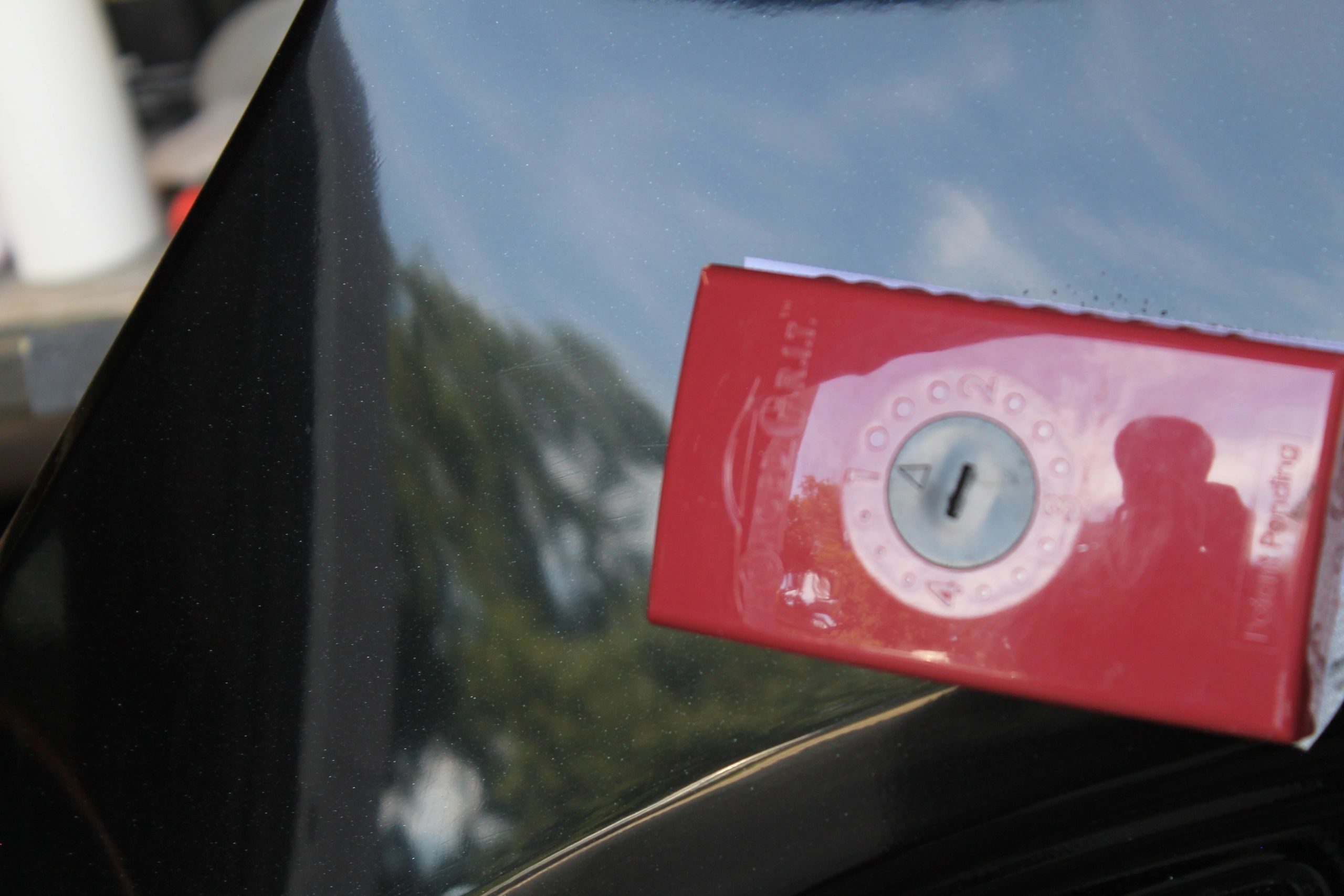
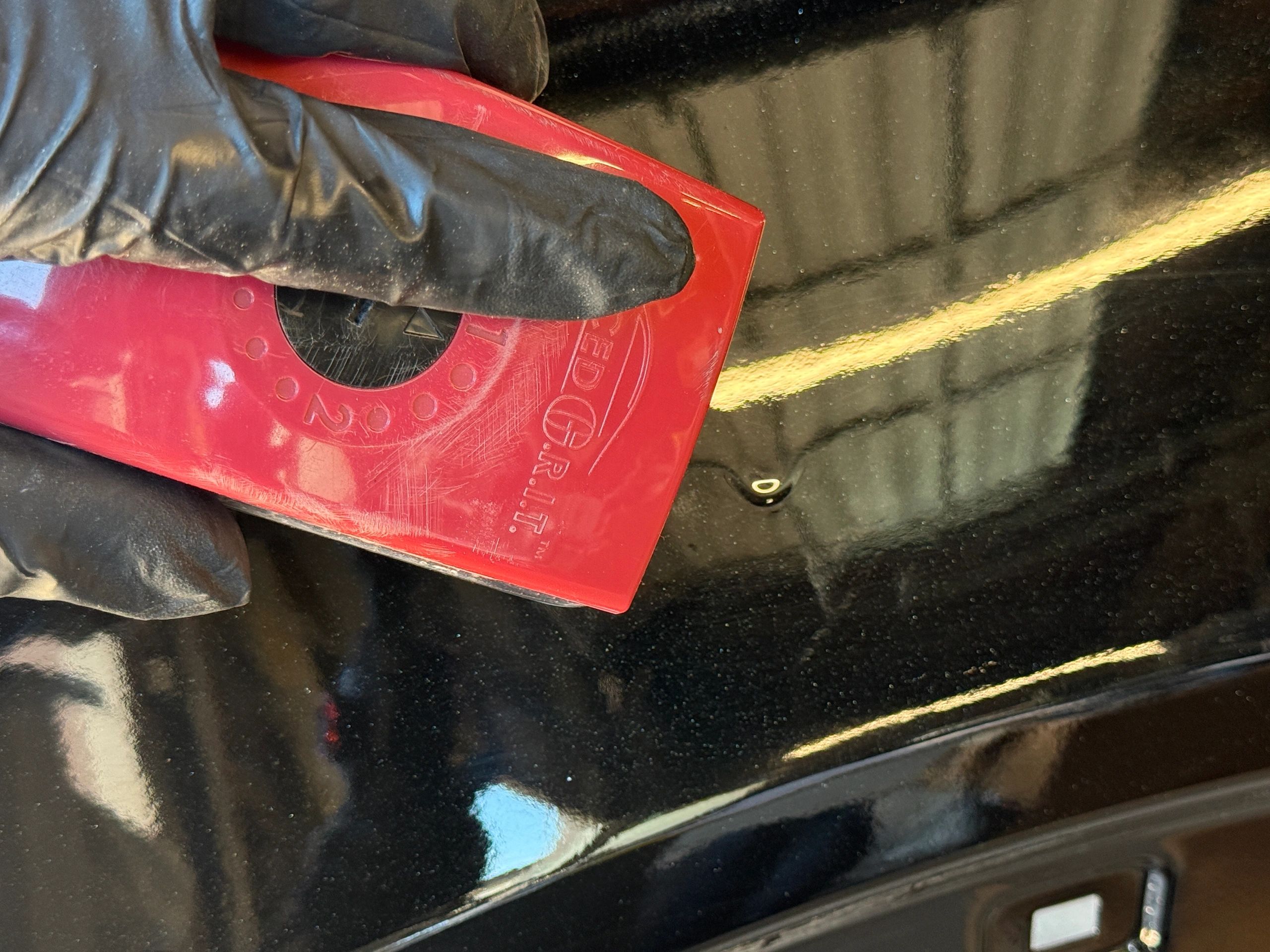
Traditional clear coat run correction fails because it relies on unstable sanding contact and inconsistent hand pressure. This is where ForcedG.R.I.T. Magnetic Sanding Block fundamentally change the outcome.
Instead of depending solely on technician feel, ForcedG.R.I.T. uses magnetic energy to stabilize the sanding interface, allowing controlled, even material removal directly over the run without digging into surrounding clear coat.
Key advantages during clear coat run correction include:
- Even pressure distribution that prevents low spots and edge digging
- Stable surface contact that keeps sanding focused on the raised defect
- Controlled leveling that reduces the risk of burn-through
- Predictable results that shorten correction time
By maintaining consistent contact across the repair area, ForcedG.R.I.T. allows technicians to remove the run accurately while preserving clear coat thickness where it matters most.
Reducing Rework, Protecting Profit
Clear coat run correction should be a short, controlled process—not a gamble. ForcedG.R.I.T. helps shops reduce rework by minimizing the variables that cause traditional methods to fail.
When sanding control improves:
- Repairs are completed faster
- Panels require less polishing
- Booth cycles are protected
- Comebacks are reduced
Over time, this consistency directly improves throughput and profitability.
A Smarter Approach to Clear Coat Correction
ForcedG.R.I.T. does not replace skill—it reinforces it. The system supports experienced painters by stabilizing their technique and helps less experienced technicians achieve reliable results.
By introducing magnetic stabilization into clear coat run correction, shops gain a modern solution to a long-standing problem.
Final Thoughts
Clear coat runs may be inevitable, but excessive rework is not.
Understanding the true cost of traditional correction methods—and adopting tools that provide controlled sanding—allows shops to protect both finish quality and profit.
In today’s production-focused body shops, precision sanding control is no longer optional—it is essential.
Clear coat quality is judged at the surface—but profit is decided during correction.